
Consistent traffic along with leads generation are the most important responsibilities of content marketing strategies. Powerful content attracts visitors to a specific site or page. And, if your site lacks one, then you might not experience success in lead generation, no matter what kinds of efforts you are pursuing marketing. However, content marketing strategies seem difficult for veteran marketers who have been in this designation for decades.
Expecting a major change in your traffic goals, within a short period, might upset you when you can’t encounter such impractical halts. So, begin with slow but steady strategies for your content marketing agendas. Use the following content marketing tips to flourish your small business and make its online presence be felt throughout the World Wide Web.
1. Prep up with your Content Marketing Missions
Don’t know where to start? If you just proceed by guessing your audiences and their interests, then you are firing a bullet in the dark. Be more practical and create a dedicated statement concluding the content requirements and to whom the contents would address. Never board down from the right track and set the following amenities, beforehand: the audiences, the targeted content for them and the potential benefits for the audiences from the contents.
For instance, when you consider the About Us section of your business site, you would address the benefiting audiences there. Additionally, you have to provide beneficial information based on their interest. Direct approach with relevant information and your business’s specialization would reap you profits- such as increment in sales through lead generation, SEO traffic success, boosted revenue to sites and drop in marketing expenses.
2. Write to your Audience
Have you identified the cluster of the audience for your small business and its services? You should possess a very clear idea about who you are targeting with your marketing skills. Before you think of a word to write it down, judge your thoughts with respect to the views of your audience.
To know about your audience, you have to gather the demographic data. Social media analytics, email subscription and Google Analytics would help you to get your audiences’ gender, age, income and education. Apart from such demographic data sets, customer feedback based on their experience, their interests and expectations, solutions to specific issues would help you get the right information. From the processed data, you can sieve out the priorities of your audiences and create buyer personas.
Buyer personas contribute an important role in overcoming customers’ challenges and detecting their purchasing intention. In addition to this, it will help you to hold your pen or write in a doc file targeting those particular audiences. Don’t make an extra effort for contents that don’t make sense for your audiences over the internet or social media platforms.
3. Extract only Qualified Contents for your Small Business
You might rush to post several contents every day, but it can ruin the quality factor of your contents. More contents on your business never imply that they can position your business site to a better Google ranking. On the other hand, handling contents on your own might lead to an unnecessary burden.
That’s why you should consider deploying an expert content creation and editorial team at your enterprise. Hence, you can always prefer quality to everything. Every day, your audience would get a chance to discover something new and freshly brewed contents from your specialized content team. However, countless businesses think that repetitive posts on the same topic can boost the lead generation.
But, audiences would merely pay attention to your contents, if they have already gone through somewhere else, before. So, try to discover more new but relevant content topics that might attract your audiences more. And, you can stand out from the crowd by using quality content marketing master-plans.
4. Optimize the Contents according to SEO Norms
For your small business, you might be interested in posting blogs to quench up the thirst of your audiences. So, you have started your daily blogging journey. But, to the utmost surprise, the lead generation might not seem satisfactory at all. Maybe, the content is marvellous but what you lack is powerful Search Engine Optimization techniques.
According to global statistics, almost one-third of all small businesses care for SEO services. SEO makes your content more relevant to audiences’ searches. So, SEO efforts would help to rank your posts higher and audiences can reach them without any anticipation. Moreover, your customers and audiences can discover similar related blog posts on your business site.
5. Keep Experimenting with Diverse Formats
To be very honest, one size doesn’t fit all. If your audience requirements vary from time to time, then you should not limit your business content with only site articles and blog posts. It’s not mandatory that what has benefited your competitors, the same would benefit you too, especially when we are talking about content marketing. A definite class of audiences feel video contents are more interesting than just a heap of sentences and paragraphs. But, ensure that the visual content should not exceed permissible duration; or else, it would seem boring. To achieve this balance, consider using a free video editor to trim unnecessary footage, tighten pacing, and add engaging elements like music and captions.
Instead of only videos or similar infographic contents, you can avail PDFs in downloading format for your audiences. Moreover, changes in formats are also acceptable for blog post writing. Insertion of relevant graphics, optimized paragraphs, the information in bullets, uniform heading distribution can lead to a successful content marketing journey for your small business.
6. Content Optimization is the Key
To add a different and profitable knowledge base to your audiences’ interest is not the one and only task of the content. Your valuable content creation would enforce the audience over your business sites. And, to improve the content, placing keywords wherever applicable would do the job. Thus, your content can bring your business under the spotlight and the visitors can discover your business, easily.
However, inserting definite and trending keywords into your content would be quite easy, if you are currently creating textual contents. But, in the case of infographics, you would insert the keywords strategically. Place keywords in the headers and the introduction. Keep in mind that the introduction should be crispy. Additionally, don’t forget to add meta description and minimize the file names to avoid complications.
7. Prioritize Social Media Platforms
It happens rarely when interested audiences go through your text or video contents before making a purchase. Mostly, the audiences keep following the brands of their interest on social media platforms. That’s why you shouldn’t neglect the power of social media for any kind of business marketing policy. And, content marketing is not an outsider.
Emphasize regular content posting on different social media handles of your business. Add stories, status and reels on Facebook, Instagram, Twitter and similar platforms. If you are short on contents, then how about a how-to guideline or information about products and their manufacturing would attract more visitors. And, that would definitely reflect in the sales.
Never Give up…
Tonnes of data might scare you while determining your focus on content marketing. But, data from customers and audiences can detect behavioral tendencies before making a purchase. And, you can create more promising content for your business. Measure your content according to received data and improve your content quality every day. Take help from market analysts or expert analytic software from Google and leading brands.



























 Handling SEO on your own can be time-consuming and even expensive. What is more is that you do not have the resources needed to keep up with the trends. This is why

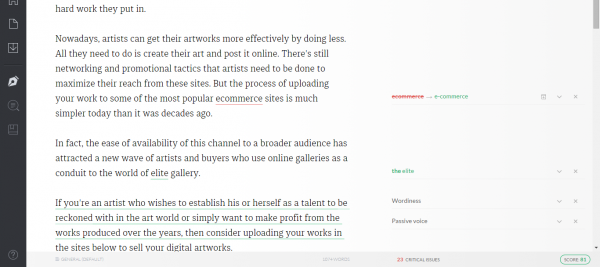 Keep the Grammar Police off your back with this free chrome plugin that checks your grammar and spelling as you write online. What’s not to love?


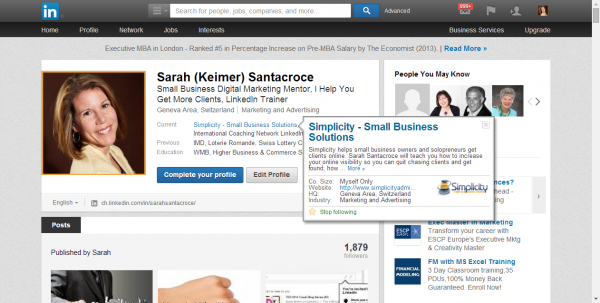

 Recruit’em writes complex Boolean search strings for free. It allows you to search through social media such as LinkedIn, Xing and Twitter. Also when you don’t have enough time or patience to write long Boolean commands.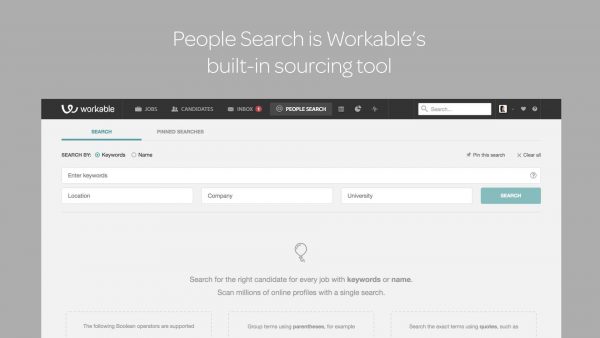
 Designed for programmers, users can ask and answer questions. You can search users, see what questions they answered, and view the communities they are in. Information about people is on their profiles.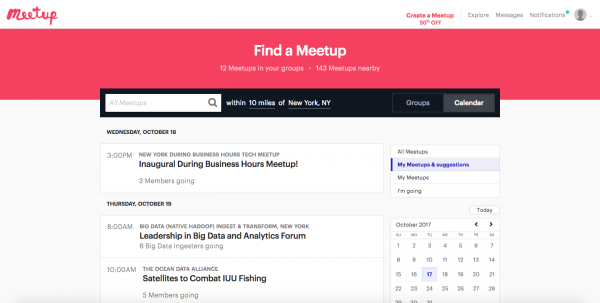
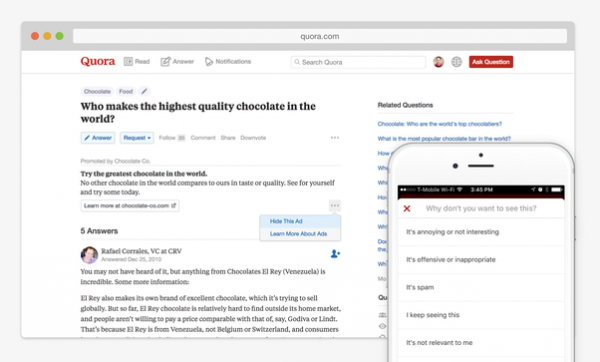
 This recruitment tool lets you manage multiple social media profiles in one place. You can schedule content and see what performs the best with your followers. There are a free plan and multiple paid plans.
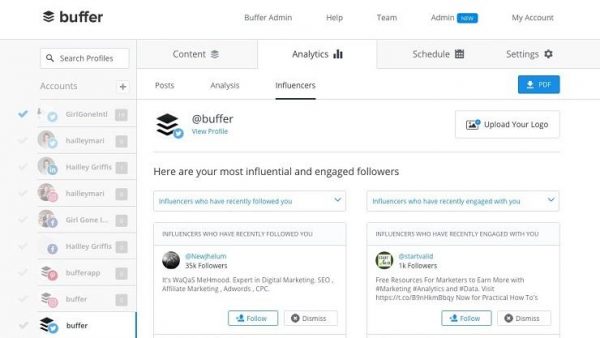 This recruitment tool also lets you schedule your posts to publish at a later time. You can view analytics from your posts to see what performs the best. There is a free individual account and paid accounts that have more features.
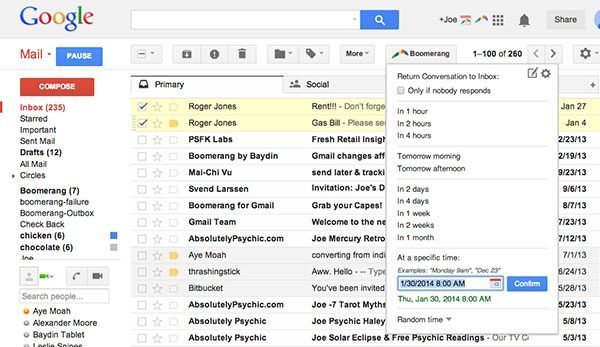 This tool integrates with Gmail accounts. You can schedule emails to send later. You can also set reminders to look at an email later or to follow up with messages that don’t receive a response. Includes a free basic account and paid accounts with more features.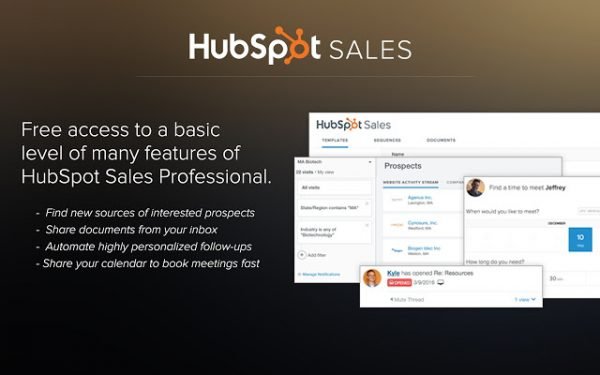

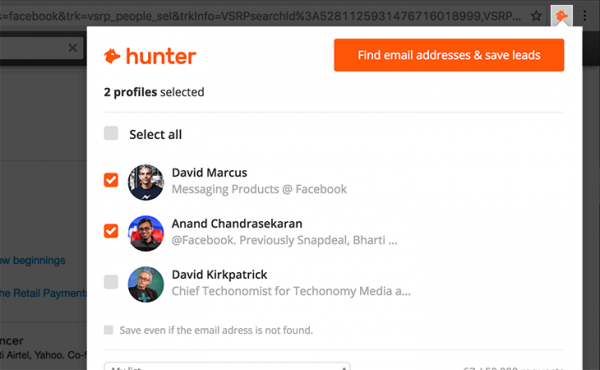
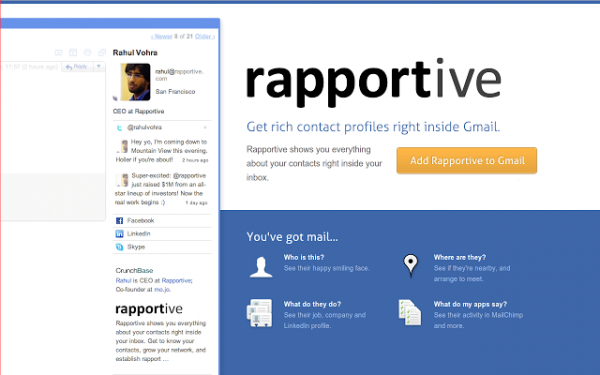 This is a browser extension that will give you information about your Gmail contacts. The extension pulls information from the contact’s LinkedIn profile. You can see basic information about your contact, along with the people you both might know.
 This is a browser plugin that lets you see information about people. You can see their picture, skills, current job, contact information, and social profiles.
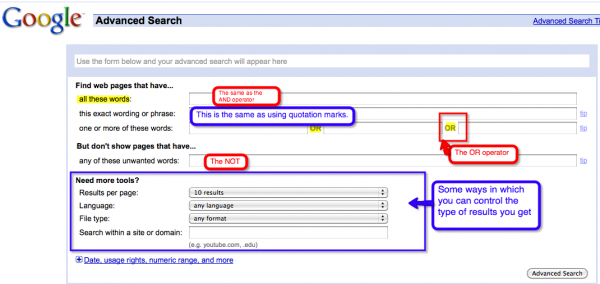 This isn’t a recruitment tool so much as a strategy. You can refine your web searches by using symbols and search operators in your search. By excluding items from your query, you get better search results that match what you are looking for.
 Similar to a Google search, you can type certain things into social media sites to receive better results. Social media sites typically have an advanced search option that makes searching for specific types of people easier
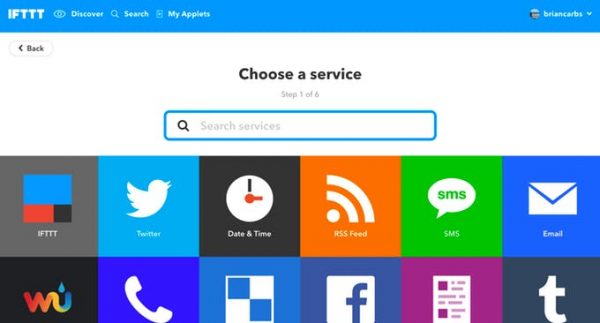 IFTTT, otherwise known as If This Then That is a tool for automating your life. Want to keep an eye on your competitors’ Twitter account? You can automatically put their Tweets into a Google Spreadsheet for you to analyze at a later date. As well as about a million other things.